
A busy workday often means sitting at a desk for several hours, attending meetings, answering emails, and working on deadlines. When work gets busy, exercise and movement can easily be forgotten.
But staying active is not only important outside the office. Fitness can also be a useful part of a healthy work routine.
Regular physical activity gives employees a chance to move, take a break from screens, and refresh themselves during the day. This can be especially helpful for people who spend most of their working hours sitting.
This is why many companies are adding workplace fitness programs to their employee wellness activities. These programs can include fitness classes, yoga, walking challenges, stretching sessions, and other simple activities.
Fitness cannot solve every workplace problem, but giving employees opportunities to stay active can support a healthier and more balanced work environment.
Why Is Fitness Important at Work?
Many modern jobs require employees to sit for long periods. A person may start working in the morning and spend several hours in front of a computer with very little movement.
Sitting for too long can make the body feel stiff and the mind feel tired. A short walk, stretching session, or simple workout can give employees a chance to move and take a break.
Fitness activities can also add some variety to the workday. Instead of sitting continuously, employees can take a few minutes to move and then return to their tasks.
These small changes can make regular movement easier to include in a busy schedule.
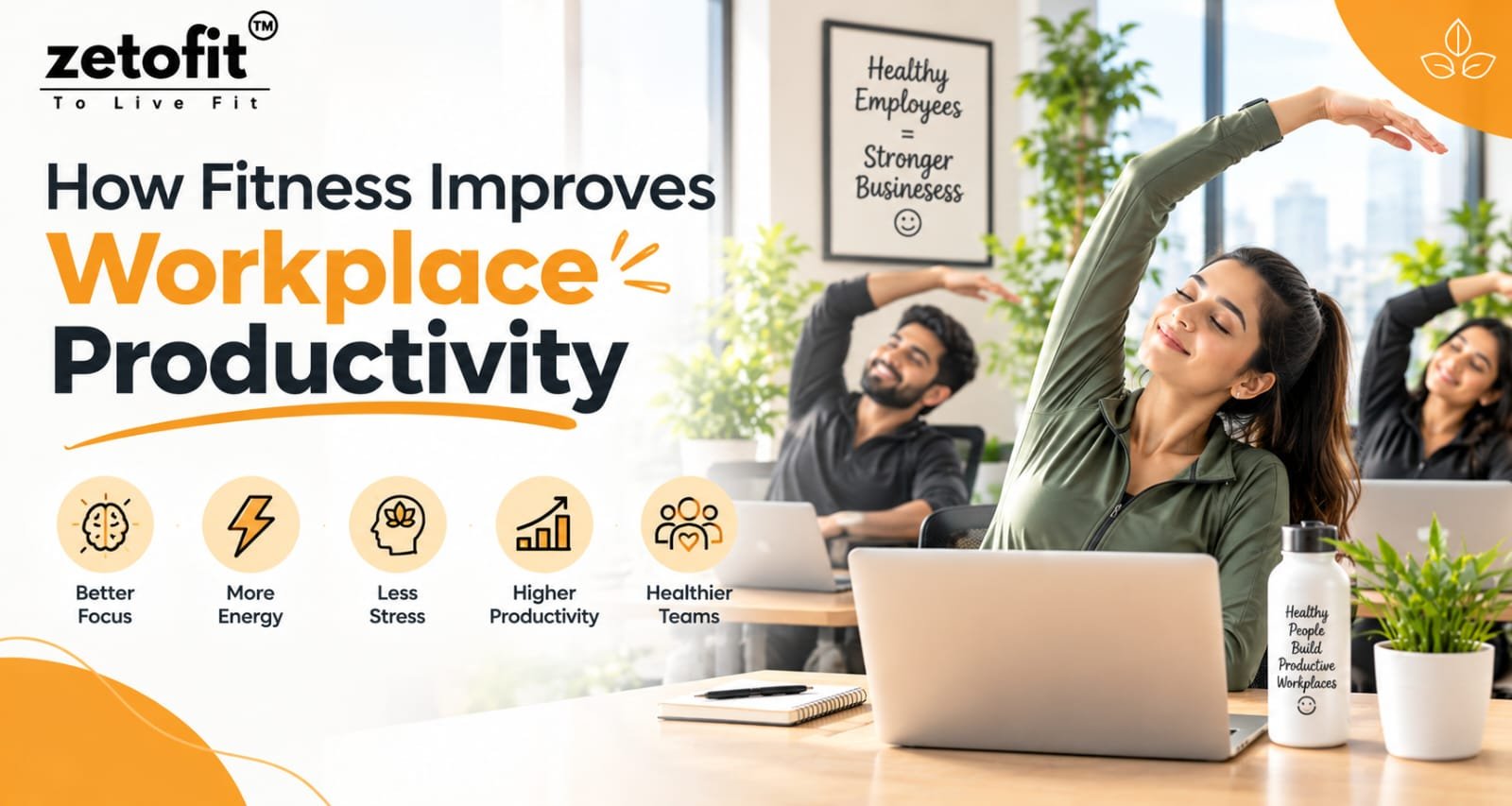
How Fitness Can Improve Workplace Productivity
1. Helps Employees Feel More Active
Energy levels can affect how people handle their workday.
When employees feel tired, even simple tasks can become difficult. Sitting in one position for several hours can also make people feel less active.
A short fitness or movement break can help change this routine.
Employees do not need to spend hours exercising during work. Simple activities such as walking, stretching, or a short workout can add movement to the day.
2. Gives the Mind a Break
Work often requires employees to stay focused for long periods. Looking at a screen, attending meetings, and working on the same task for hours can become tiring.
A short fitness break gives employees some time away from their usual work.
For example, a company can arrange a short stretching or mobility session during the day. Employees can step away from their desks, move for a few minutes, and then return to their work.
This type of break can make the workday feel less repetitive.
3. Supports Better Focus
It can be difficult to concentrate after working continuously for several hours.
Physical activity gives employees a change from sitting and working. After moving around, they may feel more awake and ready to focus on their next task.
This can be useful during long working days when attention starts to drop.
Companies can keep these activities simple. Short walking breaks, stretching, mobility exercises, or quick fitness sessions can be easier to include in the work schedule.
4. Can Help Manage Work-Related Stress
Deadlines, meetings, workload, and other responsibilities can sometimes make work stressful.
Exercise can provide a healthy way to take a break from these daily pressures. Activities such as walking, yoga, stretching, and light workouts can give employees some time to step away from their work.
A fitness activity does not remove the actual cause of workplace stress, but it can be one useful part of a healthy routine.
Giving employees time for movement can also encourage them to take regular breaks instead of sitting at their desks continuously.
5. Encourages Regular Movement
When employees are busy, it is easy to forget about physical activity.
A workplace fitness program can encourage people to move more during the day. Companies can organise walking challenges, short stretching breaks, group workouts, or other simple activities.
These activities do not have to be difficult.
The main purpose is to make regular movement easier and encourage employees to avoid sitting for very long periods without a break.
6. Creates Opportunities for Team Interaction
Fitness activities can also bring employees together.
People from different teams may not always interact with each other during normal work. A group workout, yoga session, walking challenge, or sports activity can give them a chance to spend time together outside their usual work tasks.
For example, employees can take part in a step challenge as individuals or in teams.
Such activities can create informal conversations and help employees connect with their colleagues in a different setting.
7. Supports a Healthier Work Culture
The workplace can influence daily habits.
When a company gives importance to fitness and wellness, employees may become more aware of their own health and activity levels.
This does not mean every employee has to join every activity. Instead, companies can offer different options and allow employees to choose what works for them.
A workplace that supports healthy habits can make it easier for employees to include fitness in their daily routine.
What Are Workplace Fitness Programs?
Workplace fitness programs are organised activities that encourage employees to stay physically active.
The type of program can vary from one company to another. It can be based on the size of the organisation, employee interests, available space, and working schedule.
Some common examples include:
- Group workout sessions
- Online fitness classes
- Yoga sessions
- Stretching and mobility sessions
- Walking challenges
- Step-count challenges
- Sports activities
- Short movement breaks
- Fitness workshops
- Health and wellness sessions
For companies that want structured support for employee health and fitness, corporate wellness programs can be one way to introduce regular wellness activities into the workplace.
Fitness Does Not Have to Take a Lot of Work Time
Some companies may worry that fitness activities will take employees away from their work.
However, workplace fitness does not always mean a long workout during office hours.
A company can start with short sessions. A 10-minute stretching session, a short walk, or a quick mobility routine can be easier to fit into a busy workday.
The timing can also be planned around the team’s workload.
For remote employees, online sessions can make participation easier because employees can join from their own location.
The goal should be to create a practical routine that employees can actually follow.
How Companies Can Encourage Fitness at Work
Companies can take a few simple steps to make fitness easier for employees.
Offer Different Activities
Not everyone enjoys the same type of exercise. Some employees may prefer yoga, while others may enjoy walking, strength training, or group workouts.
Providing different options can give employees more choice.
Encourage Short Breaks
Employees can be encouraged to stand up, stretch, or walk for a few minutes after sitting for a long time.
These small breaks can add more movement to the workday.
Organise Simple Challenges
Walking and step-count challenges can make fitness more interesting.
Employees can participate individually or as teams. The activity should remain friendly and easy to follow.
Include Remote Employees
If employees work from different locations, online fitness and wellness sessions can allow everyone to participate.
This can make the program more accessible to the entire team.
Ask Employees What They Want
Companies should also listen to their employees.
A simple survey can help understand whether people are more interested in fitness classes, yoga, walking challenges, nutrition sessions, or other activities.
When employees have a say in the program, it can be easier to choose activities that fit their needs.
Can Fitness Really Improve Productivity?
Fitness should not be seen as a guaranteed solution for workplace productivity.
Many things affect productivity, including workload, management, communication, work environment, job satisfaction, and access to the right resources.
However, physical activity can be one useful part of a healthy workplace routine.
When employees have opportunities to move, take breaks, and look after their health, they may find it easier to manage long working days.
The purpose of a fitness program should be to support employees rather than give them another task to complete.
Simple Ways Employees Can Stay Active
Employees can also make small changes during the workday.
They can stand up and move between tasks, take a short walk during a break, use stairs when possible, stretch after sitting for a long time, or walk while taking a phone call.
These activities may not feel like a full workout, but they can help reduce long periods of sitting.
Small habits can become easier to maintain when they are connected to things employees already do every day.
Final Thoughts
Fitness can be a useful part of a healthy workplace.
Regular movement gives employees a chance to take breaks, stay active, spend less time sitting, and build healthier daily habits.
Workplace fitness programs can make this easier by providing organised opportunities for employees to exercise and take part in wellness activities.
A good program does not need to be complicated. Short workouts, walking challenges, yoga sessions, stretching breaks, and online fitness classes can all be useful options.
The main goal is to create a workplace where employees have practical opportunities to take care of their health while managing their work responsibilities.
Frequently Asked Questions
1. How does fitness improve workplace productivity?
Fitness can help employees stay active, take useful breaks, manage daily stress, and maintain their energy during the workday. These factors can support better focus and a healthier work routine.
2. What are workplace fitness programs?
Workplace fitness programs are activities organised by companies to encourage employees to stay physically active. They can include workouts, yoga, walking challenges, stretching sessions, and online fitness classes.
3. How much time should employees spend on workplace fitness?
There is no fixed time for every workplace. Even short activity breaks can add movement to the day. Companies can choose session lengths based on their employees and work schedules.
4. Can workplace fitness programs help remote employees?
Yes. Online fitness classes, virtual challenges, and guided workout sessions can help remote employees participate from their homes or other locations.
5. How can a company start a workplace fitness program?
A company can start with simple activities such as stretching sessions, walking challenges, yoga, or online fitness classes. Asking employees for feedback can also help the company choose activities that suit their needs.
Ready to Start Your Weight Loss Journey?
At Zetofit, we help you achieve sustainable results through personalized nutrition guidance, fitness coaching, and lifestyle support.
📞 +91 93018 55272 ✉️ contact@zetofit.com 🌐 www.zetofit.com
Book Your Consultation →Related Blogs
Intermittent Fasting for Weight Loss: Does It Really Work?
How IF works, its benefits, fasting methods, and beginner tips for sustainable results.
How Much Does a Nutritionist in Pune Charge Per Month
Monthly fees, packages, and what you should expect from a nutritionist in Pune.
How 16:8 Fasting & Intermittent Fasting Helps
Why the scale isn’t moving even when you’re eating less, explained.
About Zetofit
Zetofit is dedicated to helping individuals achieve sustainable health through personalized nutrition, fitness coaching, and lifestyle transformation. Our evidence-based approach focuses on long-term wellness rather than quick fixes.