
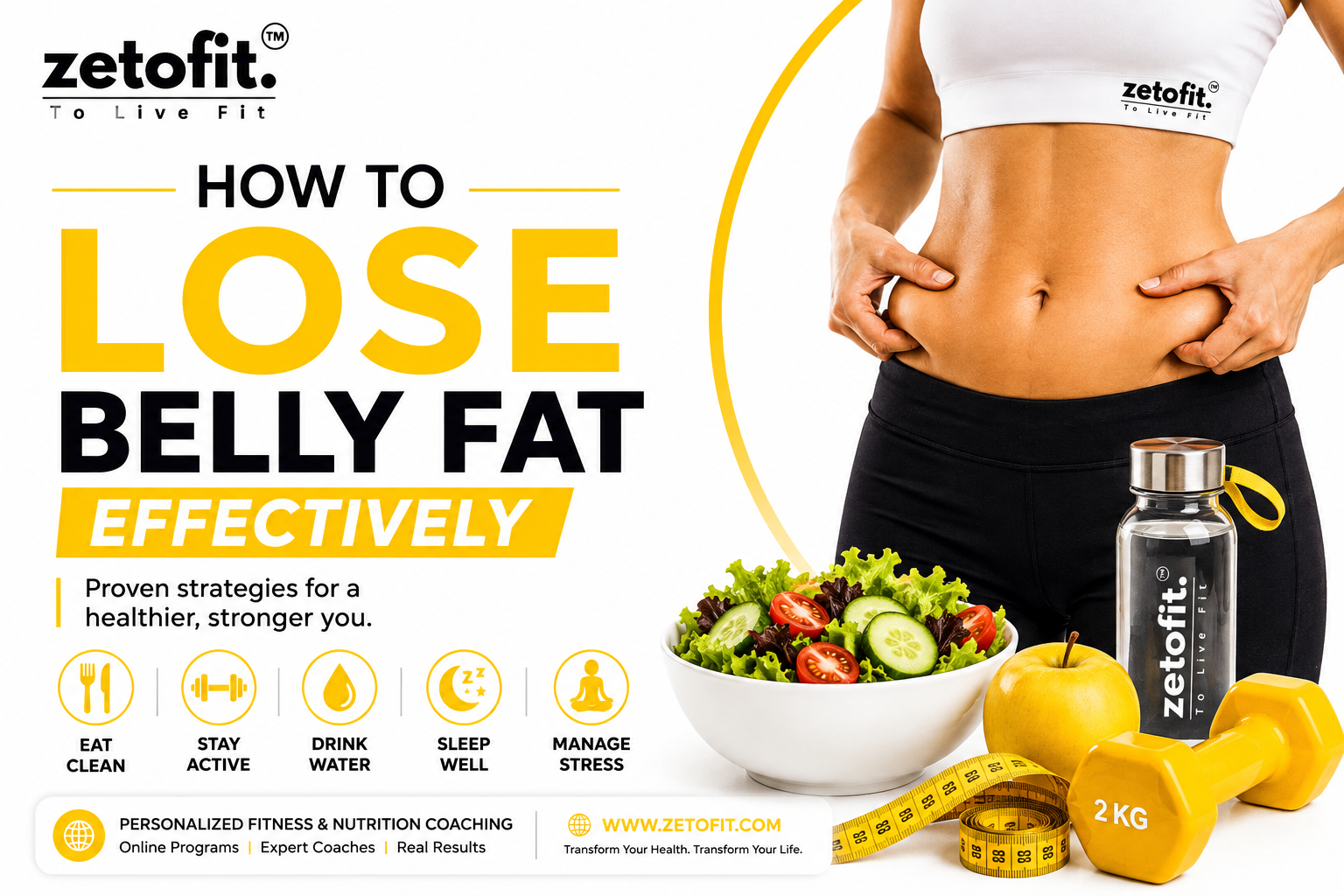
Belly fat is one of the most common concerns people have when trying to improve their fitness. Many people search for ways to lose belly fat quickly, but there is no single exercise, food, or shortcut that can specifically remove fat from your stomach.
The better approach is to focus on overall fat loss through a combination of balanced nutrition, regular exercise, strength training, adequate sleep, and sustainable lifestyle habits.
If you’re wondering how to lose belly fat, the key is to understand how fat loss works and build habits that you can maintain over time.
What Causes Belly Fat?
Belly fat refers to fat stored around the abdominal area. There are two main types:
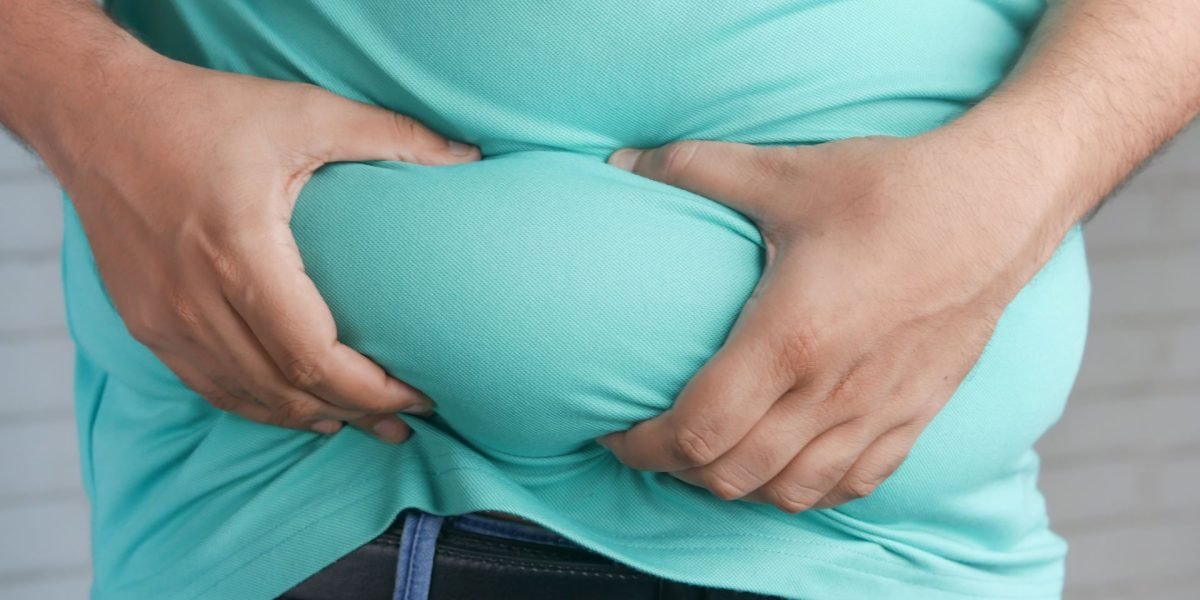
- Subcutaneous fat – the fat stored directly under the skin that you can pinch.
- Visceral fat – fat stored deeper inside the abdomen around internal organs.
Visceral fat is particularly important because higher levels are associated with several health risks.
Where your body stores fat can be influenced by several factors, including genetics, age, hormones, diet, physical activity, sleep, and overall lifestyle.
This means that two people following the same routine may not lose belly fat at exactly the same rate.
Can You Lose Belly Fat Specifically?
One of the biggest misconceptions about belly fat is that you can choose exactly where your body loses fat.
Doing hundreds of crunches or sit-ups can strengthen your abdominal muscles, but abdominal exercises alone do not specifically burn the fat covering those muscles.
Fat loss generally happens across the body rather than from one specific area. However, reducing overall body fat can also reduce abdominal and visceral fat over time.
So, instead of searching for one exercise that burns belly fat, focus on an overall Fat Loss Plan that combines nutrition and physical activity.
How to Lose Belly Fat Effectively
1. Create a Sustainable Calorie Deficit
To lose body fat, your body generally needs to use more energy than it gets from food over time.
This does not mean starving yourself or following an extremely restrictive diet.
A moderate, sustainable calorie deficit combined with nutritious food choices is a better approach for long-term progress. The CDC recommends gradual, steady weight loss rather than relying on rapid weight-loss methods.
Your calorie needs are different from someone else’s, so your Personalized Fat Loss Program should take your body, activity level, goals, food preferences, and lifestyle into account.
2. Follow a Balanced Fat Loss Nutrition Plan
Nutrition plays a major role in reducing overall body fat.
A good Fat Loss Nutrition Plan should provide enough nutrients while helping you maintain an appropriate calorie intake.
Build your meals around foods such as:
- Vegetables
- Fruits
- Protein-rich foods
- Whole grains
- Beans and lentils
- Healthy fats
- Dairy or suitable alternatives
It is also useful to limit frequent consumption of highly processed foods and sugar-sweetened drinks.
You do not need to completely eliminate carbohydrates or follow an extreme diet to lose belly fat. A balanced eating pattern that you can follow consistently is more important.
Fat Loss Diet Plan: What Should You Eat?
A Fat Loss Diet Plan does not have to be complicated.
A simple meal could include a source of protein, plenty of vegetables, a suitable portion of carbohydrates, and a source of healthy fat.
For example:
- Breakfast: Eggs or paneer with vegetables and whole-grain toast
- Lunch: Dal or chicken with vegetables, salad, and roti or rice
- Snack: Fruit with yogurt, nuts, or another suitable protein-rich option
- Dinner: Paneer, fish, chicken, tofu, or legumes with vegetables and a moderate portion of carbohydrates
The right portions depend on your individual calorie and nutrition requirements.
Rather than following a diet that removes entire food groups, focus on food quality, portions, protein, fiber, and consistency.
Increase Your Protein Intake
Protein is important for maintaining and building muscle.
When you are trying to lose body fat, maintaining muscle can help improve your body composition.
Good protein sources can include:
- Eggs
- Paneer
- Greek yogurt
- Milk
- Chicken
- Fish
- Tofu
- Soy
- Lentils
- Beans
Your individual protein needs depend on factors such as your body size, activity level, age, and fitness goals.
If you’re following a Fat Loss Coaching program, your nutrition plan can be adjusted according to your individual requirements.
Follow a Structured Fat Loss Workout Plan
Exercise is an important part of a successful fat-loss approach.
A balanced Fat Loss Workout Plan can combine strength training with cardiovascular activity.
Strength Training
Strength training can help build or maintain muscle while you work toward reducing body fat.
Exercises can include:
- Squats
- Lunges
- Push-ups
- Rows
- Shoulder presses
- Deadlifts
- Resistance-band exercises
- Core exercises
You do not need to perform hundreds of abdominal exercises to reduce belly fat. Instead, train your whole body consistently and include core exercises as part of your routine.
Cardiovascular Exercise
Walking, cycling, swimming, jogging, and other forms of cardio can increase your daily energy expenditure and support overall fitness.
The CDC recommends that adults get at least 150 minutes of moderate-intensity aerobic activity each week, along with muscle-strengthening activity on at least two days per week.
You can divide your activity throughout the week according to your schedule and fitness level.
Walk More During the Day
You don’t have to rely entirely on gym workouts.
Increasing everyday movement can also help you become more active.
Try:
- Taking a brisk walk after meals
- Using stairs instead of lifts when practical
- Walking while taking phone calls
- Taking short movement breaks during work
- Going for an evening walk
- Increasing your daily step count gradually
Small changes can add up when you maintain them consistently.
Get Enough Sleep
Sleep is another important part of a healthy fat-loss routine.
Poor sleep can affect energy levels, appetite, recovery, and your ability to stay consistent with healthy habits.
Research and expert guidance also link inadequate sleep with greater accumulation of visceral fat.
Instead of focusing only on your diet and workouts, make sleep part of your overall plan.
Try to maintain a regular sleep schedule and create a relaxing routine before bedtime.
Manage Stress
Long-term stress can make it harder to maintain healthy eating and exercise habits.
Some people may eat more when they are stressed, while others may become less active or sleep poorly
Simple habits such as walking, breathing exercises, hobbies, spending time with family, and maintaining a regular routine can help you manage everyday stress.
A complete Body Fat Loss Program should therefore consider lifestyle habits rather than focusing only on calories and workouts.
Drink More Water and Limit Sugary Drinks
- Soft drinks
- Sweetened juices
- Sugary coffee drinks
- Energy drinks
- Other sugar-sweetened beverages
Track Your Progress
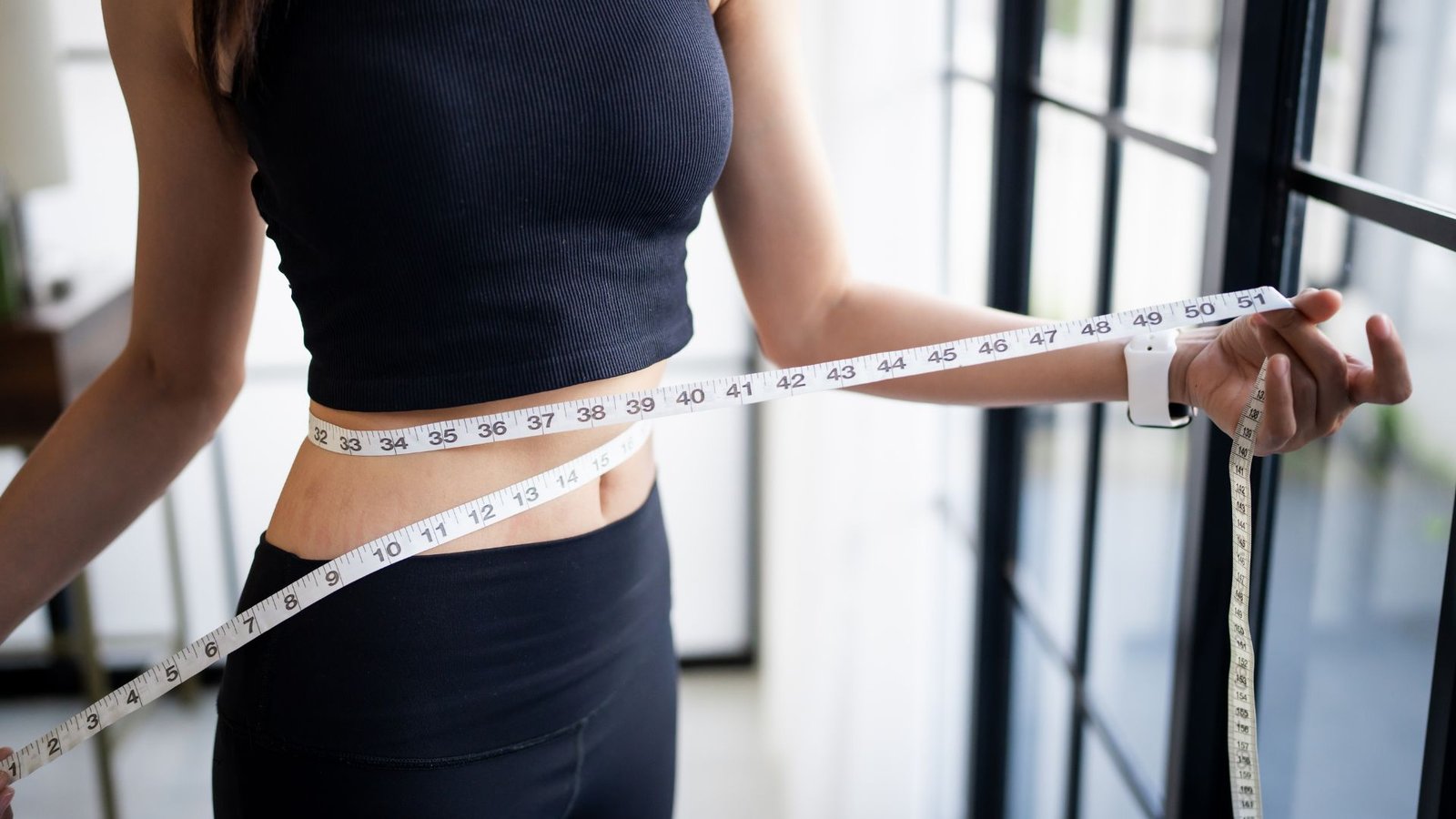
The weighing scale is useful, but it should not be your only measure of progress.
When working toward fat loss, you can track:
- Body weight
- Waist measurement
- Progress photos
- Body measurements
- Strength
- Daily activity
- How your clothes fit
Your waist measurement can be particularly useful when your goal is to monitor changes around the abdominal area.
If your waist is getting smaller and your strength is improving, you may be making progress even if your body weight changes slowly.
How Long Does It Take to Lose Belly Fat?
There is no exact number of days or weeks that applies to everyone.
The rate of fat loss depends on factors such as:
- Starting body weight
- Food intake
- Physical activity
- Muscle mass
- Age
- Genetics
- Sleep
- Stress
- Consistency
The goal should not be to lose belly fat as quickly as possible.
A sustainable approach is more likely to help you maintain your results. The CDC notes that people who lose weight gradually are more likely to keep it off than those who lose weight rapidly.
The Bottom Line: How to Lose Belly Fat Effectively
If you’re wondering how to lose belly fat, the answer is not a single exercise or special food.
The most effective approach is to reduce overall body fat through a combination of:
- Balanced nutrition
- Strength training
- Cardio
- Daily movement
- Adequate sleep
- Stress management
- Consistency
You cannot choose exactly where your body loses fat, but reducing overall body fat can help reduce abdominal and visceral fat over time.
If you want professional support, ZetoFit offers a structured approach to nutrition and fitness. You can explore the Fat Loss Program to learn more about how personalized guidance can support your fitness goals.
Frequently Asked Questions
What is the fastest way to lose belly fat?
There is no safe shortcut that specifically removes belly fat. Focus on a sustainable calorie deficit, balanced nutrition, strength training, regular physical activity, adequate sleep, and consistency.
Can I lose belly fat without doing ab exercises?
Yes. Ab exercises can strengthen your core, but they do not specifically burn the fat covering your abdominal muscles. Overall fat loss is the main factor in reducing belly fat.
Is walking good for losing belly fat?
Walking can contribute to overall physical activity and calorie expenditure. Regular brisk walking, combined with appropriate nutrition and other forms of exercise, can support fat loss and help reduce waist circumference.
What should I eat to lose belly fat?
Focus on a balanced diet containing adequate protein, vegetables, fruits, high-fiber foods, whole grains, and healthy fats. Limit frequent consumption of sugary drinks and highly processed foods.
Is a Fat Loss Diet Plan necessary?
You do not necessarily need a strict diet plan, but having a structured Fat Loss Diet Plan can make it easier to manage your food intake and stay consistent.
Ready to Start Your Weight Loss Journey?
At Zetofit, we help you achieve sustainable results through personalized nutrition guidance, fitness coaching, and lifestyle support.
📞 +91 93018 55272 ✉️ contact@zetofit.com 🌐 www.zetofit.com
Book Your Consultation →Related Blogs
Intermittent Fasting for Weight Loss: Does It Really Work?
How IF works, its benefits, fasting methods, and beginner tips for sustainable results.
How Much Does a Nutritionist in Pune Charge Per Month
Monthly fees, packages, and what you should expect from a nutritionist in Pune.
How 16:8 Fasting & Intermittent Fasting Helps
Why the scale isn’t moving even when you’re eating less, explained.
About Zetofit
Zetofit is dedicated to helping individuals achieve sustainable health through personalized nutrition, fitness coaching, and lifestyle transformation. Our evidence-based approach focuses on long-term wellness rather than quick fixes.