
Starting a workout routine is usually easy. The difficult part is sticking with it.
Many people begin with a lot of motivation. They work out every day, follow a strict diet, spend hours in the gym, and expect quick results. After a few weeks, however, the routine becomes difficult to manage. Work gets busy, energy levels change, or the workouts simply become too tiring. Eventually, exercise gets skipped and the routine stops altogether.
A sustainable workout routine works differently. Instead of trying to do everything at once, it focuses on creating a realistic fitness routine that fits into your everyday life.
The goal is not to exercise perfectly every day. The goal is to build consistent exercise habits that you can continue for months and years.
Whether your goal is weight loss, muscle building, better fitness, improved blood sugar management, or simply a healthier lifestyle, a routine you can maintain is more useful than a routine you can follow for only two weeks.
What Is a Sustainable Workout Routine?
A sustainable workout routine is a fitness plan that you can realistically maintain over a long period without constantly feeling exhausted, overwhelmed, or restricted.
It should fit your:
- Daily schedule
- Current fitness level
- Work and family commitments
- Health and fitness goals
- Exercise preferences
- Available time
- Recovery needs
For example, if you have a busy schedule, planning a two-hour gym session six days a week may not be realistic. A 30–45-minute workout three or four times a week may be much easier to maintain.
The best workout routine is not necessarily the hardest one. It is one that you can keep doing consistently.
Why Do Workout Routines Often Fail?
Understanding why routines fail can help you build one that lasts.
| Common Problem | What Usually Happens | Better Approach |
|---|---|---|
| Starting too aggressively | You feel exhausted after a few days | Start gradually |
| Exercising every day | Recovery becomes difficult | Include rest days |
| Following someone else’s routine | The plan may not suit your goals | Personalize your routine |
| Expecting quick results | Lack of visible progress causes frustration | Track progress over time |
| Doing workouts you dislike | Motivation drops quickly | Choose enjoyable activities |
| No fixed schedule | Exercise gets pushed aside | Schedule workouts |
| Ignoring recovery | Soreness and fatigue build up | Prioritize sleep and recovery |
| Making the plan too complicated | It becomes difficult to follow | Keep it simple |
A sustainable approach removes unnecessary pressure and makes exercise easier to fit into your normal life.
1. Start With a Clear Fitness Goal
Before creating your workout schedule, decide what you want to achieve.
Your goal could be:
- Losing body fat
- Building muscle
- Improving strength
- Increasing stamina
- Improving flexibility
- Supporting better blood sugar management
- Improving overall health
- Becoming more physically active
Different goals require different approaches.
For example, someone trying to build muscle may need more resistance training, while someone looking to improve general fitness may benefit from a combination of strength training, cardio, mobility work, and recreational activities.
Avoid trying to achieve five different major goals at the same time. Choose one primary goal and let your routine support it.
Make Your Goal Specific
Instead of saying:
“I want to get fit.”
Try:
“I want to strength train three times a week and improve my overall fitness over the next three months.”
A specific goal gives your workout routine a clear direction.
2. Be Honest About the Time You Have
One of the biggest mistakes people make is creating a workout schedule based on their ideal day rather than their actual day.
Look at your normal week.
Ask yourself:
- When am I usually free?
- How much time can I realistically dedicate to exercise?
- Do I prefer morning or evening workouts?
- How many days can I consistently exercise?
- Do I have access to a gym?
- Can I exercise at home?
- What usually prevents me from working out?
If you only have 30 minutes, build a 30-minute routine.
You don’t need to wait until you have a full hour available.
3. Start With a Manageable Weekly Schedule
If you are new to exercise, you don’t need to work out seven days a week.
A simple weekly schedule can be enough to get started.
| Day | Suggested Activity |
|---|---|
| Monday | Strength training |
| Tuesday | Walking or light cardio |
| Wednesday | Rest or mobility |
| Thursday | Strength training |
| Friday | Walking, yoga or light cardio |
| Saturday | Full-body workout or recreational activity |
| Sunday | Rest |
This is only an example. Your schedule should be adjusted according to your fitness level, goals, preferences, and recovery needs.
If three workouts are realistic for you, start with three.
Consistency matters more than filling every day of the calendar.
4. Use a Mix of Different Types of Exercise
A balanced fitness routine does not have to include only gym workouts.
Different forms of movement can support different aspects of fitness.
Strength Training
Strength training can help improve muscle strength and support muscle development.
Beginners can start with basic movements such as:
- Squats
- Lunges
- Push-ups
- Rows
- Glute bridges
- Shoulder presses
- Planks
For more ideas, see our guide to best strength training exercises for beginners .
If your goal is muscle growth, you can also learn more about how to build muscle as a beginner .
Cardio
Cardiovascular exercise can include:
- Brisk walking
- Cycling
- Swimming
- Jogging
- Dancing
- Sports
- Stair climbing
You don’t need to run for an hour to include cardio in your routine. Choose activities that you enjoy and can perform regularly.
Mobility and Flexibility
Mobility work can help you move comfortably and can be useful before or after workouts.
Yoga can also be part of a balanced fitness routine. If you are deciding between different approaches, read our comparison of yoga vs gym for fitness .
5. Follow the "Minimum Workout" Rule
One useful way to stay consistent is to create a minimum version of your workout.
For example:
Normal workout:
45 minutes of strength training.
Minimum workout:
15 minutes of basic exercises.
On a busy day, you don’t have to choose between doing a full workout and doing nothing.
You can simply do the shorter version.
This helps maintain the habit even when your schedule is difficult.
The purpose isn’t to make every workout short. It is to avoid allowing one busy day to turn into an entire week without exercise.
6. Don't Increase Your Workout Too Quickly
More exercise is not always better.
If you suddenly increase your workout frequency, duration, or intensity, your body may need more time to recover.
A better approach is gradual progression.
For example:
| Stage | Workout Approach |
|---|---|
| Week 1 | Learn basic movements |
| Week 2 | Improve technique and consistency |
| Week 3 | Gradually increase repetitions |
| Week 4 | Adjust resistance or workout duration |
| Following weeks | Continue gradual progression |
Your progress doesn’t have to happen every workout.
Small improvements over time can add up.
7. Make Exercise Easier to Start
Sometimes the hardest part of exercising is simply getting started.
Reduce the number of steps between you and your workout.
For example:
- Keep your workout clothes ready.
- Keep basic equipment accessible.
- Schedule your workout in your calendar.
- Prepare your gym bag in advance.
- Choose a convenient workout location.
- Follow a simple workout plan.
If you work from home, you may find online personal training useful because you can exercise without travelling to a gym.
You can read more about the benefits of online personal training.
8. Choose Workouts You Actually Enjoy
A workout doesn’t have to feel like punishment.
If you hate running, you don’t have to run.
If you enjoy dancing, cycling, swimming, yoga, walking, or strength training, use those activities.
Enjoyment can make it easier to stay consistent.
Try different activities and identify the ones that make you feel good during and after exercise.
Your Workout Can Change
You don’t need to follow exactly the same routine forever.
You might:
- Strength train during one phase
- Add more walking during a busy period
- Try yoga for mobility
- Take up cycling
- Join a recreational sport
- Use home workouts when travelling
Flexibility can make a fitness routine easier to maintain.
9. Don't Ignore Rest and Recovery
Rest is part of your workout routine.
Your body needs time to recover between challenging sessions.
Recovery can include:
- Rest days
- Adequate sleep
- Balanced nutrition
- Hydration
- Light movement
- Mobility exercises
- Managing workout intensity
If you constantly feel exhausted, your routine may be too demanding.
The goal is to challenge your body without making exercise so difficult that you don’t want to continue.
10. Support Your Routine With Healthy Lifestyle Habits
Exercise is only one part of overall health.
Your daily habits can also affect your energy, recovery, and consistency.
Some useful habits include:
- Getting enough sleep
- Eating balanced meals
- Staying hydrated
- Managing stress
- Taking regular movement breaks
- Maintaining a consistent daily routine
You can explore more practical ideas in our guide to healthy lifestyle habits for better health.
11. Don't Depend Entirely on Motivation
Motivation naturally changes.
Some days you may feel excited about exercising. Other days you may not feel like doing anything.
This is normal.
Instead of waiting for motivation, create systems that make exercise part of your routine.
For example:
Instead of:
“I’ll work out when I feel motivated.”
Try:
“I work out on Monday, Wednesday and Saturday after work.”
A fixed routine reduces the amount of decision-making required.
12. Track More Than Your Weight
If weight loss is your goal, the scale is only one possible measurement.
You can also track:
- Workout consistency
- Strength improvements
- Repetitions completed
- Walking distance
- Energy levels
- Flexibility
- Fitness performance
- Waist measurements
- How your clothes fit
Progress can happen even when your body weight doesn’t change immediately.
If you are exercising but not seeing the expected weight changes, our guide on why you may not be losing weight despite exercising can help explain some possible factors.
13. Don't Let One Missed Workout Become a Failed Week
Missing a workout doesn’t mean your routine has failed.
Work gets busy. You may travel, feel tired, have family responsibilities, or simply need a break.
The important thing is what you do next.
If you miss Monday’s workout, you don’t have to wait until the following Monday.
Simply return to your routine at the next available opportunity.
Think of consistency over months rather than perfection over individual days.
14. Adjust Your Routine When Your Life Changes
A sustainable workout routine should be flexible.
Your schedule may change because of:
- A new job
- Travel
- Exams
- Family responsibilities
- Health changes
- Seasonal changes
- Increased workload
Instead of abandoning exercise completely, modify the routine.
For example, if you normally exercise for 60 minutes but have a busy week, switch to 20–30-minute sessions.
A flexible routine is easier to maintain than an all-or-nothing approach.
15. Consider Professional Guidance
Some people find it difficult to create a workout plan on their own.
A qualified fitness professional can help you structure exercise according to your goals, fitness level, available time, and preferences.
Online personal training can also provide guidance while allowing you to exercise from home or another convenient location.
If you are comparing online training with traditional gym training, see online personal training vs gym.
People with specific health considerations may also need individualized guidance before making major changes to their exercise routine.
A Simple Sustainable Workout Plan for Beginners
If you’re unsure where to start, here’s a simple example.
| Day | Workout | Duration |
|---|---|---|
| Monday | Full-body strength training | 30–40 min |
| Tuesday | Brisk walking | 20–30 min |
| Wednesday | Rest / light mobility | 10–15 min |
| Thursday | Full-body strength training | 30–40 min |
| Friday | Rest or easy walk | 20 min |
| Saturday | Cardio, yoga or recreational activity | 30–45 min |
| Sunday | Rest | — |
This is a general example, not a personalized training prescription.
The exact exercises, intensity, duration, and frequency should depend on your individual circumstances and goals.
How to Make Your Workout Routine Last for Years
Creating a routine is one thing. Maintaining it for years is another.
Use these simple principles:
Keep It Realistic
Don’t build your schedule around the amount of time you wish you had. Build it around your actual life.
Start Small
You can always increase your workout later. Starting with a manageable routine makes consistency easier.
Focus on Progress
Don’t expect dramatic changes in a few days. Look for improvements over weeks and months.
Make It Flexible
Have a shorter workout option for busy days.
Enjoy the Process
Choose activities that you don’t constantly have to force yourself to do.
Give Yourself Recovery Time
Rest days aren’t wasted days. They can help you maintain your routine.
Exercise and Specific Health Goals
A sustainable workout routine can look different depending on your individual needs.
Exercise and Blood Sugar
Regular physical activity can be an important part of managing overall health and blood sugar. Learn more about the connection between exercise and blood sugar and explore best exercises for people with diabetes .
People with diabetes or other health conditions should consider discussing significant changes in exercise with their healthcare professional.
Exercise and PCOS
For people managing PCOS, regular physical activity may be one component of a broader healthy lifestyle.
Read more about how exercise can help manage PCOS and explore best exercises for women with PCOS .
Exercise and Muscle Building
If muscle building is your goal, consistency with resistance training, appropriate nutrition, recovery, and gradual progression all matter.
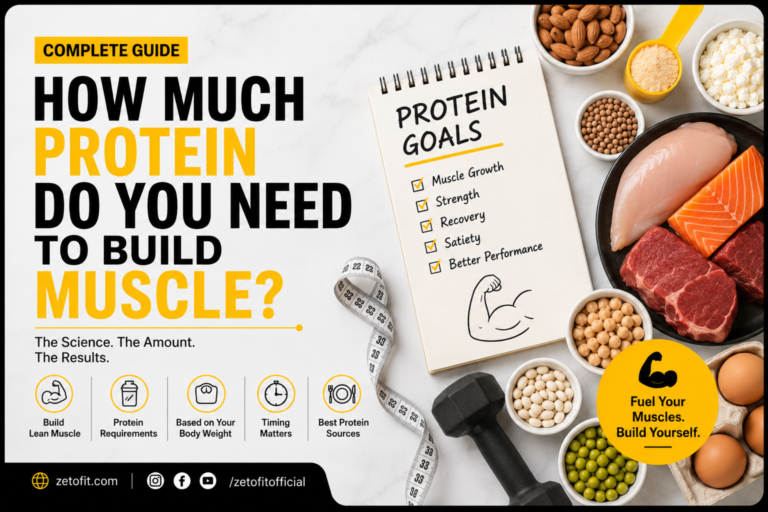
You can also learn how much protein you may need to build muscle .
Exercise and Weight Loss
Exercise can contribute to an overall weight-management plan, but nutrition, sleep, daily activity, and other factors can also influence results.
If your goal is fat loss, understanding the difference between weight loss and fat loss can be useful.
Sustainable Workout Routine Checklist
Before starting your routine, ask yourself:
| Question | Your Answer |
|---|---|
| What is my main fitness goal? | ________________ |
| How many days can I realistically exercise? | ________________ |
| How much time can I give each workout? | ________________ |
| Which exercises do I enjoy? | ________________ |
| Where will I exercise? | ________________ |
| Which days will be my rest days? | ________________ |
| What could prevent me from exercising? | ________________ |
| What is my shorter backup workout? | ________________ |
| How will I track my progress? | ________________ |
This simple checklist can help turn a general fitness goal into an actionable routine.
Final Thoughts
A sustainable workout routine isn’t about doing the most exercise possible. It is about finding an approach that fits your life and continuing with it.
Start with a realistic number of workouts. Choose activities you enjoy. Keep your sessions manageable, allow time for recovery, and adjust your plan when your schedule changes.
Most importantly, don’t let the idea of perfection stop you from being consistent.
A workout routine that you can follow for months is more useful than a perfect routine that lasts only a few weeks.
At ZetoFit, fitness can be approached as a long-term lifestyle rather than a short-term challenge. Whether your goal is weight management, strength, general fitness, or a healthier routine, the focus should be on creating habits that can realistically become part of your everyday life.
Frequently Asked Questions
1. What is the best workout routine for long-term consistency?
The best routine is one that fits your goals, schedule, fitness level, and preferences. A sustainable routine should be challenging enough to create progress but realistic enough to maintain.
2. How many days a week should I work out?
There is no single number that works for everyone. Beginners may start with a few structured workouts each week and gradually increase activity depending on their goals, recovery, and schedule.
3. Is it okay to exercise every day?
Daily movement can be part of a healthy lifestyle, but not every day needs to be a hard workout. Walking, mobility work, stretching, or other light activities can be used on easier days.
4. How long should a workout last?
Workout duration depends on the type of exercise and your goals. A shorter workout that you can consistently complete can be more practical than a long workout that you frequently skip.
Ready to Start Your Weight Loss Journey?
At Zetofit, we help you achieve sustainable results through personalized nutrition guidance, fitness coaching, and lifestyle support.
📞 +91 93018 55272 ✉️ contact@zetofit.com 🌐 www.zetofit.com
Book Your Consultation →Related Blogs
Intermittent Fasting for Weight Loss: Does It Really Work?
How IF works, its benefits, fasting methods, and beginner tips for sustainable results.
How Much Does a Nutritionist in Pune Charge Per Month
Monthly fees, packages, and what you should expect from a nutritionist in Pune.
How 16:8 Fasting & Intermittent Fasting Helps
Why the scale isn’t moving even when you’re eating less, explained.
About Zetofit
Zetofit is dedicated to helping individuals achieve sustainable health through personalized nutrition, fitness coaching, and lifestyle transformation. Our evidence-based approach focuses on long-term wellness rather than quick fixes.